
4 min read
It may be that you are a faithful worker and family person. You carry out your responsibilities—possibly even going above and beyond the call of duty—and you are generally viewed as someone of integrity. Yet imagine how the impact of these qualities could be reduced when words like these come out of your mouth:
“Ugh…I can’t wait for spring. I hate this time of year!”
“I wish we had rain. At least you can’t shovel it!”
“I ought to live in B.C. like you. At least you guys get three months of cold. We get six!”
Now, far be it from me to advocate a gleeful, ignorant, head-in-the-sand view about Alberta winters. They can be harsh. How many of us look forward to more dangerous driving conditions? Greater possibilities of getting hurt by slipping on ice patches while walking? The danger of getting frostbite? Persevering through days where we get up and go to work with no light outside, and return home in the same darkness? Incurring many expenses for “winterizing” our clothing and vehicles? Did C.S. Lewis have a point when he imagined the land of Narnia as “always winter” to describe its cursed state?
When thinking of suffering, we tend to focus on the worst kinds, whether we’ve experienced them yet or not—persecution, serious illness, death, or the loss of loved ones. But it should assure us when James says that “various kinds” of experiences can be trials for us (Jas 1:2). Neither he nor other biblical authors seem to indicate that our lives’ circumstances must meet an objective level of severity before we can call them painful.
And yet, in the midst of all such hardships, James tells us to “count it all joy”. So just how can we do this when faced with freezing temperatures and unpleasant conditions outside?
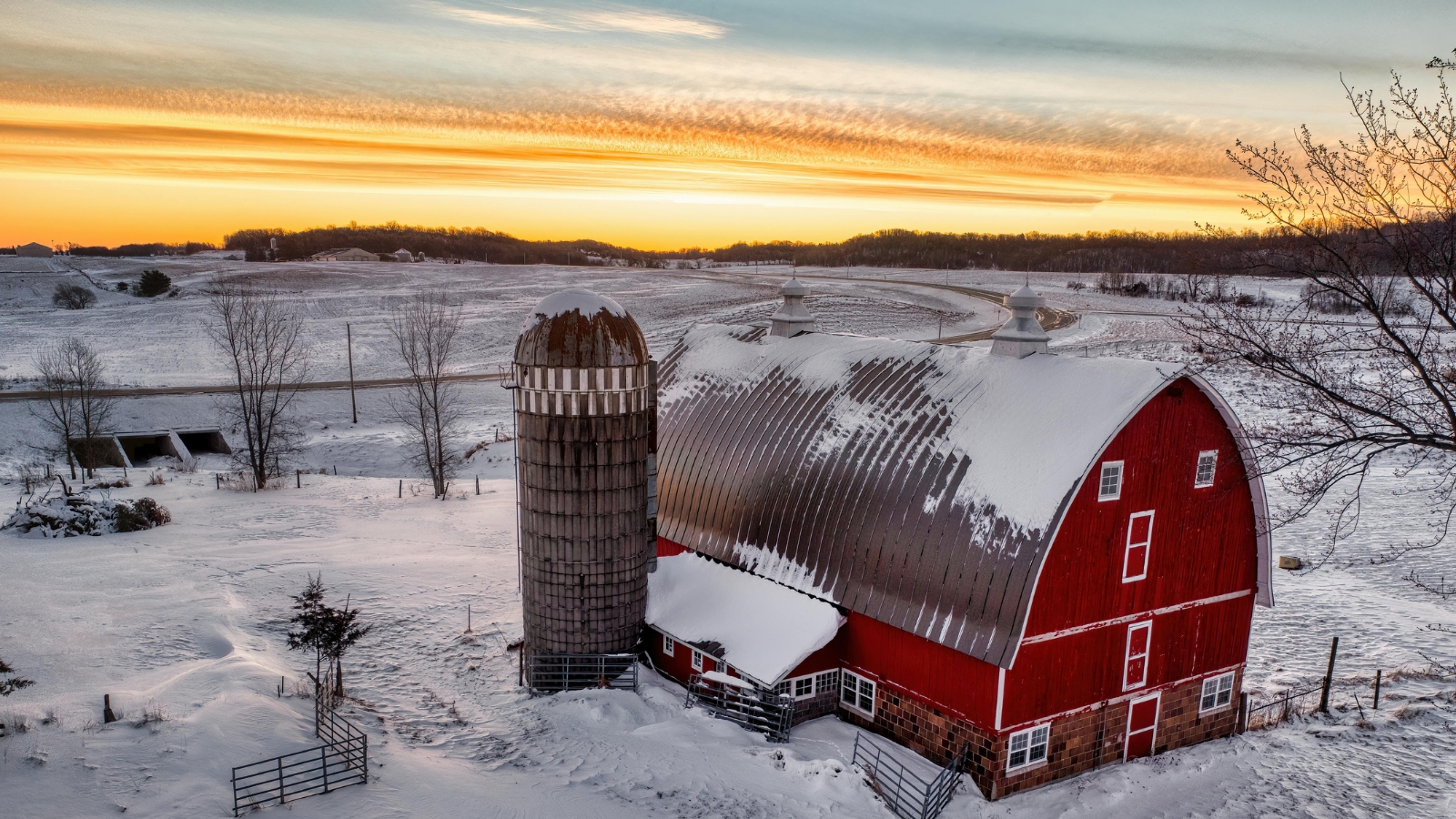
First, let us consider the positive qualities of winter that we all too easily forget. One example is the joy on kids’ faces at the opportunity to play in the snow. Sure, children and youth know little of the costs associated with winter for adults, but have we lost their sense of wonder and enthusiasm over the white stuff? Another thing we tend to overlook is how the sun’s reflection off the snow makes everything brighter; not only outside, but inside our homes too. We also must remember that snow is precipitation; we need water, no matter how it’s delivered to us. Finally, what about the opportunities afforded by winter for us to discover human creativity through the making and display of ice sculptures?
Or to behold the beauty and limitless creativity of the King of kings when we discover, through a microscopic view, that no two snowflakes are the same?
Second, let us reflect on provisions we can be thankful for, even when winter is tough. Besides appreciating and using products that have been around for decades, like winter tires and car window scrapers, we can express gratitude for increasingly advanced technologies in clothing, home insulation, and interior vehicle heating—all of which serve to keep the cold at bay. Also, we need to think about the fact that the LORD, in His transcendence, stands outside our experiences of physical darkness. Since He is completely unperturbed by them, they have no way of hindering His good purposes for us: "If I say, 'Surely the darkness shall cover me, and the light about me be night,' even the darkness is not dark to you; the night is bright as the day, for darkness is as light with you" (Ps 139:11–12). And how often do we give thought to the comforts of fireplaces, hot food, and warm beverages? “God…richly provides us with everything to enjoy” (1 Ti 6:17).
Third, bear in mind that, since winter experiences can be counted among our trials, they are part of God’s fatherly discipline towards His children. No experience of hardship—however “minor” or otherwise—is ever wasted, but used by the LORD in moulding us into the image of His Son, and intending to prepare us for the new heaven and earth. “…He (God) disciplines us for our good, that we may share His holiness” (Heb 12:10). "[W]hat sort of people ought you to be in lives of holiness and godliness, waiting for and hastening the coming of the day of God...according to His promise we are waiting for new heavens and a new earth in which righteousness dwells" (2 Pe 3:11–13).
Finally, consider how winter points us to God and the gospel. For example, when we think of a home as our winter “fortress”, we can be reminded of the ultimate Fortress and Refuge that God is to us (2 Sa 22:2–3; Ps 46:1–3; Pr 18:10). What’s more, the whiteness of snow can help us remember the purification of sin-stained hearts that God achieves for all who trust in His Son and the work He achieved on the cross (Isa 1:18; Tit 2:14).
Recently, a Bible discussion group I’ve been leading at my church wrapped up a study on Paul’s letter to the Colossians. Among many other things we were reminded of, we observed that the Apostle mentions the importance of giving thanks no fewer than six times (Col 1:3, 12; 2:7, 3:15,16; 4:2). Far from being a “once-a-year” practice we are asked to celebrate in Canada every second Monday in October, thanksgiving must be something that permeates the Christian life. As we reflect on the good things the Lord provides for us through winter, we can learn to grow in gratitude as we see the flurries fall and the thermometer drop.


Alberta’s future depends on Christians who are equipped to observe all that Christ commanded in the public square. Partner with us to cultivate Christian thought and action right here at home.
For just $10 a month, your partnership directly funds the resources, campus outreach, and reform initiatives that push back against quiet disengagement. By subscribing to Alberta Reformer+, you aren’t just reading—you are actively mobilizing believers across our province.
Our goal is to grow the community to 400 members by the end of this year.
Will you be one of them? Partner with us today and fuel the reform.